Leopard, Cheetah Print Digital Paper: A Versatile Asset
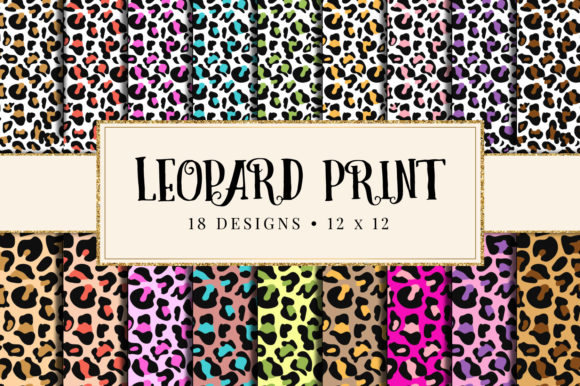
Leopard and cheetah prints are more than just a fleeting trend in fashion; they have established themselves as a perennial pattern in the visual design world. A high-quality Leopard, Cheetah Print Digital Paper collection offers a sophisticated and energetic texture that can elevate a wide array of projects. This specific set provides 18 distinct papers, blending the classic spotted aesthetic with a variety of color palettes. Understanding its potential is key for any designer, crafter, or entrepreneur looking to add a dynamic, professional touch to their work.
Understanding the Pattern's Visual Personality
At its core, the leopard print pattern is organic, irregular, and full of movement. Unlike a geometric grid or a simple stripe, its rosettes and spots create a sense of natural rhythm and energy. The visual characteristics of a well-executed digital paper like this one lie in its versatility. The included mix of colors allows it to adapt to different moods—classic tan and black for a timeless, luxurious feel, or vibrant, non-traditional hues for a modern, playful twist. This isn't just a background; it's a design element with its own personality, capable of conveying boldness, elegance, or edginess depending on its application.
The appeal of this pattern is its inherent duality. It can feel wild and untamed or controlled and chic. For a brand, using a leopard print digital paper can communicate confidence and a willingness to stand out. For a personal project, it adds instant visual interest and a layer of curated style. The high-resolution 300dpi files ensure that the texture remains crisp and professional, whether viewed on a screen or printed for a physical product. This level of detail is what separates a premium design asset from a low-quality graphic.
Practical Applications Across Creative Fields
The true value of this collection is its utility. The Leopard, Cheetah Print Digital Paper files are not confined to one type of project. For scrapbooking and physical crafters, the 12x12 inch size at 300dpi is perfect for creating custom card backgrounds, photo mats, or decorative elements for junk journals and planner dashboards. The mix of JPEG and transparent PNG files offers flexibility; the PNGs can be layered seamlessly over other design elements without a white box, while the JPEGs provide a solid, ready-to-use background.
In the digital and commercial realm, these papers are incredibly useful. Graphic designers and marketers can use them as backgrounds for social media graphics, website banners, or email newsletter headers to grab attention. The pattern works exceptionally well for packaging design, especially for products in the beauty, lifestyle, or gourmet food sectors where a touch of luxury or flair is desired. A small business owner could use these papers to create unique product labels, thank-you card inserts, or even branded tissue paper designs, adding a memorable unboxing experience.
For bloggers, publishers, and content creators, these digital papers can serve as engaging backgrounds for quote graphics, podcast cover art, or eBook chapter title pages. They provide a consistent texture that can help establish a recognizable visual brand across platforms. The key is to use the pattern strategically, often as an accent rather than a dominant feature, to maintain readability and professional polish.
Integrating the Pattern for Maximum Impact
Successfully incorporating a strong pattern like leopard print requires a thoughtful approach to your overall design system. It should complement, not compete with, your core message. Here’s how to evaluate fit and implement it effectively:
- Evaluate Project Fit: Consider the personality of your project or brand. Leopard print aligns well with identities that are bold, fashionable, luxurious, playful, or edgy. It might be less suitable for projects requiring a subdued, minimalist, or corporate-serious tone. Always let the project's goals guide your asset selection.
- Test Font Pairings: The pattern is visually busy, so pairing it with the right typeface is critical. Clean, strong sans serif fonts like Helvetica, Futura, or Montserrat often work best for headlines, providing a modern, readable counterpoint. A simple, elegant serif font can also work for a more classic feel. Avoid overly decorative script fonts or handwritten fonts for body text when layered over the pattern, as legibility can suffer. Use such creative fonts sparingly for large, isolated headlines.
- Manage Readability and Hierarchy: Never place long blocks of small text directly over a leopard print background. Use the pattern in areas of negative space or behind large, bold typographic elements. Create a clear visual hierarchy by ensuring your most important information has the highest contrast and clearest placement. Often, using a semi-transparent color overlay or a solid shape behind text can solve readability issues while still showcasing the pattern.
- Leverage the File Variety: The inclusion of both PNG and JPEG files is a significant practical advantage. Use the transparent PNGs for creating layered compositions in software like Adobe Photoshop, Canva, or Procreate. The JPEGs are ideal for quick use as direct backgrounds in any design application. This mix supports a wide range of workflows and skill levels.
- Consider Commercial Licensing: Always review the license for any design assets you purchase. Ensure it covers your intended use, whether for personal projects, client work, or commercial products like merchandise and digital downloads. A clear license allows you to use the digital paper confidently as part of your brand identity materials.
Ultimately, this Leopard, Cheetah Print Digital Paper collection is a versatile tool in a creative professional's arsenal. It functions much like a premium font or a set of high-quality stock photos—it's a foundational asset that, when used with intention and skill, can significantly enhance the visual appeal and effectiveness of countless projects across both digital and print mediums.